Bhujangasana (Snake Posture): Steps, Benefits, and Precautions
Introduction
Bhujangasana, also known as the Snake Posture or Cobra Pose, is a classical yoga asana that symbolizes strength, flexibility, and awakening energy. Derived from the Sanskrit words Bhujanga (snake) and Asana (posture), this pose resembles a cobra raising its hood.
It is one of the most beneficial backbends in yoga practice, strengthening the spine, improving posture, stimulating internal organs, and opening the heart and chest. Both beginners and advanced practitioners can include Bhujangasana in their daily routine for physical wellness and mental clarity.
How to Practice Bhujangasana (Step-by-Step)
Step 1: Starting Position
- Lie flat on your stomach with legs extended.
- Keep feet close together, toes pointing outward.
- Place palms on the ground beneath your shoulders.
- Elbows should remain close to your torso.
- Rest your forehead on the floor.
Step 2: Inhalation and Lifting
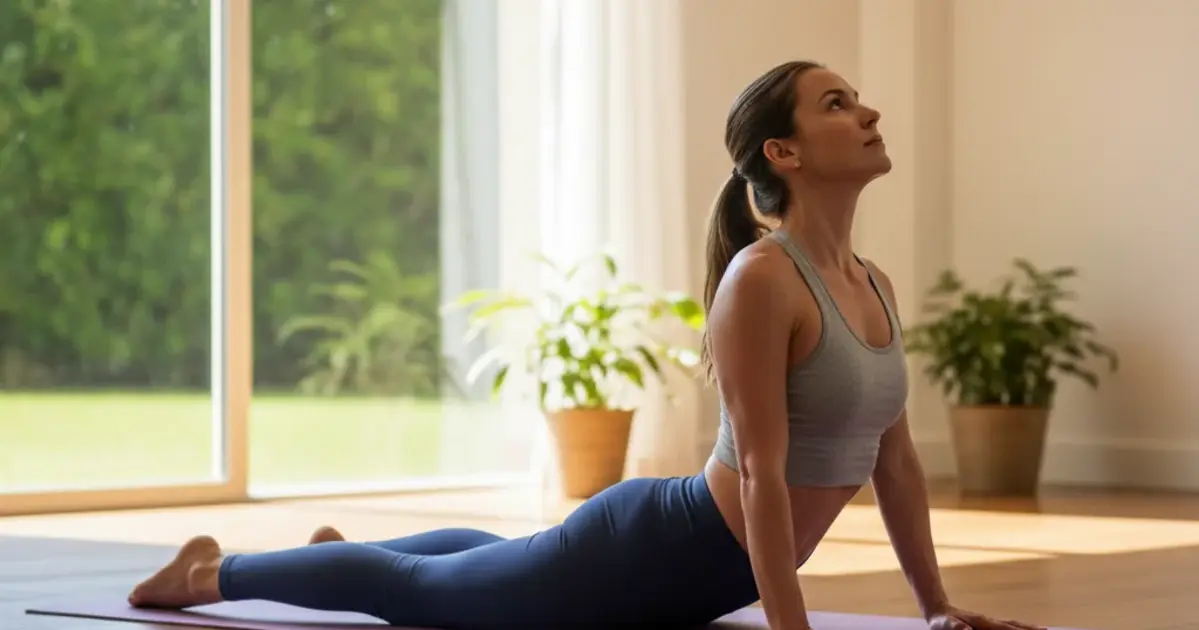
- Inhale deeply and slowly raise your head, chest, and abdomen off the floor.
- Straighten your arms gradually, arching the back comfortably.
- Keep the navel region touching the floor.
Step 3: Final Posture
- Relax your shoulders and keep them away from the ears.
- Gaze upward or slightly backward like a cobra.
- Breathe naturally and hold for 15–30 seconds (beginners) or up to 1–2 minutes (advanced).
Step 4: Returning
- Exhale and slowly lower your chest and head back to the mat.
- Rest in Makarasana (Crocodile Pose) for relaxation.
Benefits of Bhujangasana
Physical Benefits
- Strengthens the spine and increases flexibility.
- Relieves stiffness in the lower back.
- Stimulates abdominal organs and aids digestion.
- Expands the chest and improves lung capacity.
- Corrects rounded shoulders and poor posture.
- Improves blood circulation throughout the body.
Mental Benefits
- Reduces fatigue, stress, and mild depression.
- Energizes the body and mind.
- Promotes emotional stability and relaxation.
Precautions and Contraindications
- Avoid if you suffer from hernia, ulcers, or recent abdominal surgery.
- People with severe back injury or slip disc should consult a yoga expert.
- Not recommended during pregnancy.
- Do not overstretch the spine—move within your limits.
Variations of Bhujangasana
- Ardha Bhujangasana (Half Cobra Pose): Raise only the chest slightly.
- Sarpasana (Serpent Pose): Interlace fingers behind the head while raising the chest.
- Advanced Cobra: Fully extend arms and deepen the backbend for flexibility.
Tips for Safe Practice
- Always warm up before attempting.
- Practice on an empty stomach (3–4 hours after a meal).
- Focus on slow breathing with each movement.
- Beginners can use elbows bent instead of fully straightening arms.
Conclusion
Bhujangasana (Snake Posture) is a highly beneficial yoga pose that strengthens the spine, enhances flexibility, tones abdominal organs, and uplifts energy. Regular practice helps in maintaining good posture, relieving back pain, and bringing calmness to the mind. When performed mindfully, it becomes a powerful tool for holistic health.
Try Dhanurasana | Perform Chakrasana | Practice Sarvangasana | Relax in Shashangasana | Follow Āsana RulesTrusted External Resources
For more information on yoga and natural wellness, explore these authoritative resources:
Q1. What is Bhujangasana?
Ans: Bhujangasana, also called the Snake Posture or Cobra Pose, is a yoga asana that involves lifting the chest and arching the spine, resembling a cobra with its hood raised.
Q2. What are the main benefits of Bhujangasana?
Ans: It strengthens the spine, improves posture, stimulates abdominal organs, opens the chest, relieves mild back pain, and enhances flexibility.
Q3. Who should avoid Bhujangasana?
Ans: People with hernia, ulcers, severe back injury, slip disc, abdominal surgery, or pregnant women should avoid this pose. Always consult a yoga expert if in doubt.
Q4. Can Bhujangasana help in reducing belly fat?
Ans: Yes, it tones abdominal muscles and boosts digestion, indirectly helping in reducing belly fat when practiced regularly with a healthy lifestyle.
Q5. How long should I hold Bhujangasana?
Ans: Beginners can hold the posture for 15–20 seconds, while advanced practitioners may extend up to 1–2 minutes with controlled breathing.
Q6. Is Bhujangasana suitable for beginners?
Ans: Yes, it is beginner-friendly. Start with Ardha Bhujangasana (Half Cobra Pose) and gradually progress to the full posture.
Q7. What is the best time to practice Bhujangasana?
Ans: Morning on an empty stomach is ideal. It can also be done in the evening, at least 3–4 hours after meals.