Chakrasana (Wheel Pose): Steps, Benefits, Precautions & Variations
Yoga is more than just physical exercise – it is a holistic science that nurtures the body, mind, and spirit. Among the many postures in Hatha Yoga, Chakrasana (Wheel Pose) stands out as a powerful backbend that symbolizes flexibility, energy, and balance.
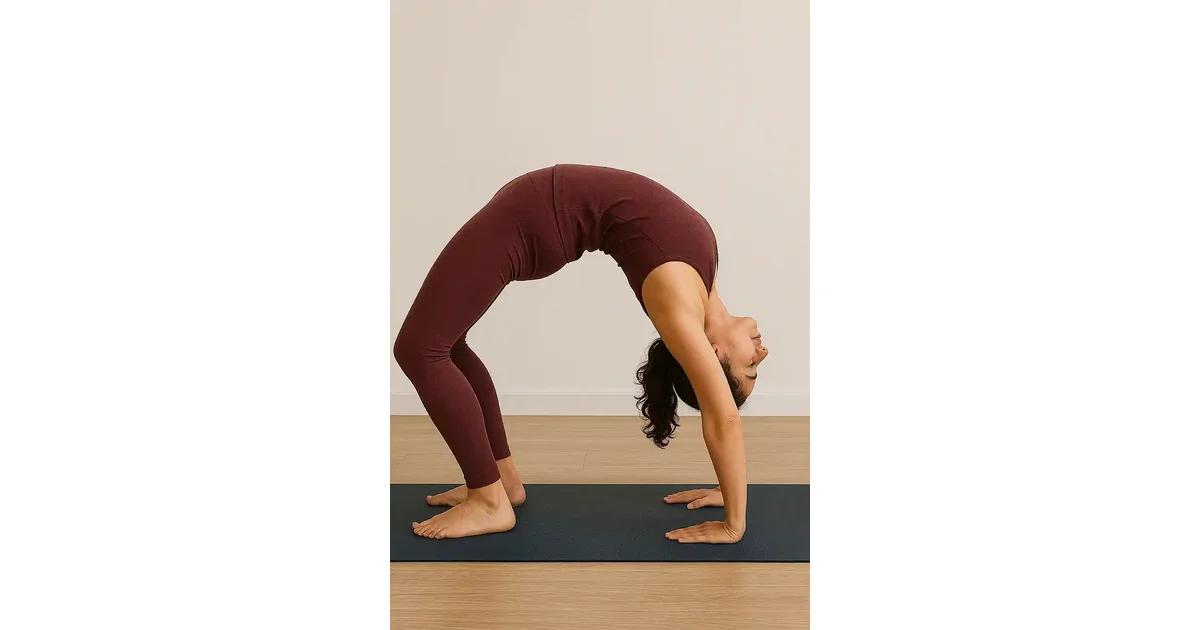
The term Chakra means “wheel” in Sanskrit, and Asana means “posture.” When performed, the body forms the shape of an upward-facing wheel, representing the continuous cycle of energy flow. In English, it is also known as Urdhva Dhanurasana (Upward Bow Pose).
Chakrasana is considered an advanced asana, recommended for practitioners who already have a good level of flexibility and strength. Let’s explore its method, benefits, safety tips, and spiritual significance in detail.
Step-by-Step Guide to Perform Chakrasana
Practicing Chakrasana requires preparation, focus, and awareness of the breath.
- Starting Position
- Lie down flat on your back in Shavasana (Corpse Pose).
- Keep your legs stretched out and arms relaxed by your sides.
- Prepare Hands and Feet
- Bend your knees and place your feet flat on the floor, hip-width apart.
- Heels should be close to your buttocks.
- Bend your elbows and place your palms beside your ears with fingers pointing towards your shoulders.
- Lifting the Body
- Inhale deeply.
- Press your palms and feet firmly into the ground.
- Lift your hips, chest, and shoulders upward simultaneously.
- Forming the Wheel
- Straighten your arms and legs as much as possible.
- Allow your body to arch into a wheel shape, with the crown of your head pointing toward the floor but not resting on it.
- Keep your neck relaxed and gaze towards the sky.
- Holding the Pose
- Breathe deeply and steadily.
- Hold the posture for 15–30 seconds as a beginner, gradually extending up to 1–3 minutes with practice.
- Releasing the Pose
- Exhale slowly.
- Bend your elbows and knees, and gently lower your back to the floor.
- Relax in Shavasana for a few breaths before continuing.
Physical Benefits of Chakrasana
- Strengthens the Spine and Back Muscles
- Provides an intense stretch to the spinal column, improving flexibility.
- Relieves stiffness caused by prolonged sitting or poor posture.
- Expands the Chest and Lungs
- Increases lung capacity, improving oxygen flow and respiratory health.
- Beneficial for people with asthma or shallow breathing patterns.
- Enhances Circulation and Metabolism
- Stimulates abdominal organs and improves digestion.
- Boosts metabolism, which helps in weight management.
- Strengthens Core, Arms, and Legs
- Builds endurance in thighs, shoulders, wrists, and abdominal muscles.
- Improves balance and overall stability.
- Improves Nervous System Function
- Stimulates the pituitary, thyroid, and adrenal glands, balancing hormones.
- Enhances alertness, memory, and focus.
Mental and Emotional Benefits
- Reduces Stress and Anxiety – Opens the chest and heart, releasing emotional blockages.
- Improves Confidence – The challenging posture helps overcome fear and builds inner strength.
- Elevates Mood – Encourages the release of endorphins, bringing a sense of joy and vitality.
Spiritual Significance of Chakrasana
In yogic philosophy, Chakrasana is deeply connected to the chakra system:
- Anahata Chakra (Heart Chakra): Enhances love, compassion, and emotional healing.
- Vishuddha Chakra (Throat Chakra): Improves communication, truthfulness, and self-expression.
- Sahasrara Chakra (Crown Chakra): Promotes spiritual awakening, energy flow, and higher consciousness.
Thus, Chakrasana is not only a physical exercise but also a spiritual practice that aligns body energy with higher awareness.
Variations of Chakrasana
- Half Wheel Pose (Ardha Chakrasana) – A simpler version performed standing, suitable for beginners.
- One-Legged Wheel Pose (Eka Pada Chakrasana) – Performed by lifting one leg upward while in Chakrasana.
- Wheel Pose with Elbow Support – Useful for those with weak wrists.
Preparatory Poses Before Chakrasana
To practice safely, warm up with these asanas:
- Bhujangasana (Cobra Pose)
- Setu Bandhasana (Bridge Pose)
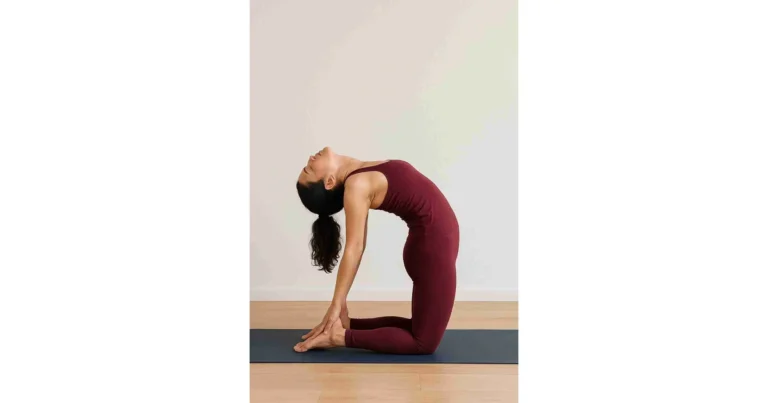
- Ustrasana (Camel Pose)
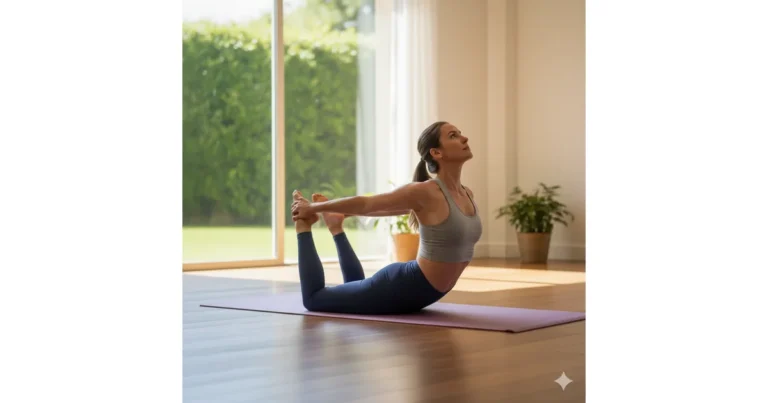
- Dhanurasana (Bow Pose)
These postures increase spinal flexibility and prepare the body for the deep backbend of Chakrasana.
Counter-Poses After Chakrasana
Always follow Chakrasana with relaxing or forward-bending poses to neutralize the spine:
- Pawanmuktasana (Wind-Relieving Pose)
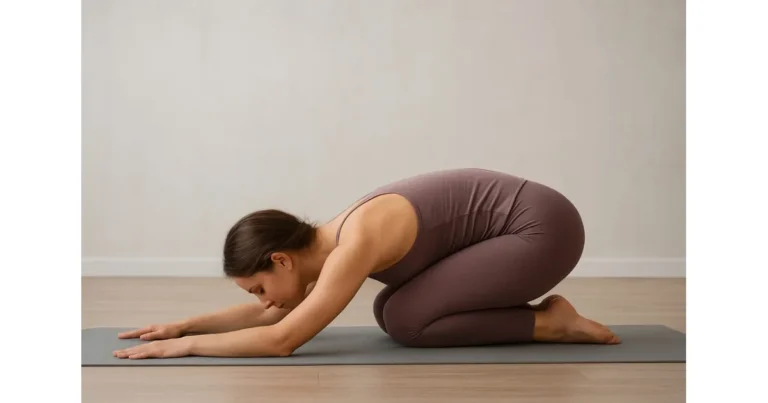
- Shashankasana (Child’s Pose)
- Shavasana (Corpse Pose)
Precautions and Contraindications
Chakrasana should be practiced with mindfulness, especially by beginners.
- Avoid if you suffer from back injury, hernia, high or low blood pressure, epilepsy, or glaucoma.
- Not recommended during pregnancy or after abdominal surgery.
- People with wrist, shoulder, or neck problems should consult a yoga expert before practicing.
- Children and elderly practitioners should attempt only under professional guidance.
Conclusion
Chakrasana (Wheel Pose) is a dynamic yoga asana that rejuvenates the spine, strengthens the body, and elevates the mind. With regular practice, it enhances flexibility, improves digestion, balances hormones, and fosters emotional stability.
More than a physical posture, Chakrasana symbolizes the cycle of energy and the flow of life. By opening the heart and expanding consciousness, it promotes not only physical health but also spiritual awakening.
For best results, practice it regularly, respect your body’s limits, and always balance it with preparatory and counter-poses. Over time, Chakrasana can become a gateway to physical vitality, emotional harmony, and spiritual growth.
Do Dhanurasana | Learn Bhujangasana | Try Garudasana | Practice Warrior II Pose | Yoga Safety RulesTrusted External Resources
For more information on yoga and natural wellness, explore these authoritative resources:
Q1. What is Chakrasana in yoga?
Ans: Chakrasana, also known as Wheel Pose or Urdhva Dhanurasana, is a yoga backbend where the body forms a wheel-like arch. It improves flexibility, strengthens the spine, and energizes the body.
Q2. How do you do Chakrasana step by step?
Ans: To perform Chakrasana, lie on your back, bend your knees, place your palms beside your ears, and press the ground to lift your body into a wheel shape. Hold, breathe deeply, and release gently.
Q3. What are the main benefits of Chakrasana?
Ans: Chakrasana strengthens the spine, arms, and legs, expands the chest and lungs, improves digestion, balances hormones, relieves stress, and enhances flexibility.
Q4. Who should avoid doing Chakrasana?
Ans: People with back pain, hernia, high or low blood pressure, wrist/neck injuries, or recent surgery should avoid Chakrasana. It is also not recommended during pregnancy.
Q5. Which chakra is activated by Chakrasana?
Ans: Chakrasana primarily stimulates the Heart Chakra (Anahata), while also activating the Throat Chakra (Vishuddha) and Crown Chakra (Sahasrara), promoting balance and spiritual growth.
Q6. How long should I hold Chakrasana?
Ans: Beginners should hold Chakrasana for 15–30 seconds. With practice, it can be extended to 1–3 minutes, depending on strength and flexibility.
Q7. What are the variations of Chakrasana?
Ans: Popular variations include Ardha Chakrasana (Half Wheel Pose), Eka Pada Chakrasana (One-Legged Wheel Pose), and Wheel Pose with elbow support for those with weak wrists.