Sarvangasana (Shoulder Stand Pose): Steps and Benefits
Introduction to Sarvangasana
Sarvangasana, also known as the Shoulder Stand Pose, holds a revered place in yoga and is often called the “Queen of Asanas.” The Sanskrit name comes from three words: Sarva (entire), Anga (body parts), and Asana (posture). This name highlights that Sarvangasana engages and benefits the entire body, making it a holistic yoga pose that influences physical, mental, and emotional health.
This inverted yoga posture increases blood circulation to the brain, stimulates vital organs, strengthens muscles, and restores balance to the endocrine system. Practiced regularly, it can improve metabolism, enhance flexibility, reduce stress, and support inner harmony. Sarvangasana is an integral part of Hatha Yoga, Iyengar Yoga, and modern therapeutic yoga practices.
Step-by-Step Guide to Perform Sarvangasana
Performing Sarvangasana requires patience, awareness, and proper alignment. Below is a detailed guide for beginners and intermediate practitioners:
1. Preparation
- Spread a yoga mat on a flat, non-slippery surface.
- Lie on your back with your feet together and arms by your sides.
- Relax your entire body, keeping your breathing slow and steady.
2. Entering the Pose
- Inhale deeply and slowly raise your legs upward to form a 90° angle with the floor.
- Place your palms under your lower back, elbows pressed firmly to the mat.
- With gentle effort, lift your hips, lower back, and chest off the ground.
- Support your spine with your hands and keep your weight balanced on the shoulders and upper arms (never the neck).
3. Final Position
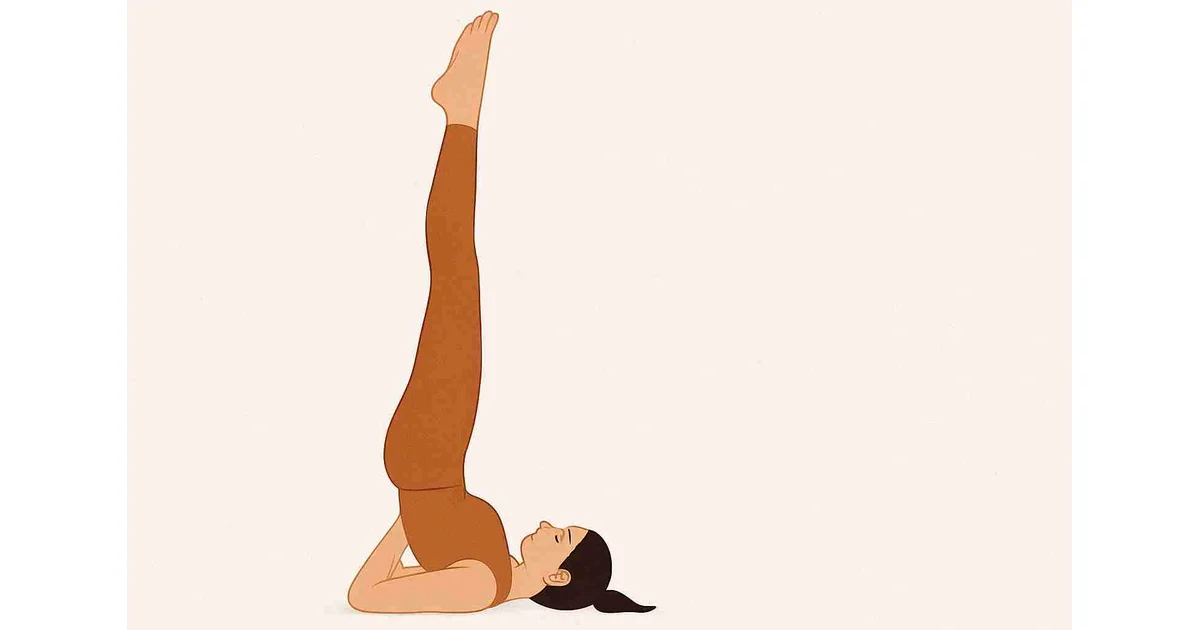
- Straighten your legs so they point directly upward.
- Keep your chin tucked toward your chest in Jalandhara Bandha (chin lock).
- Ensure the entire body forms a vertical, straight line from shoulders to toes.
- Maintain a calm gaze toward the chest or feet while breathing naturally.
4. Duration & Releasing the Pose
- Beginners can hold Sarvangasana for 20–30 seconds, gradually increasing up to 3–5 minutes with practice.
- To release, exhale slowly, lower your legs gently, and rest flat on your back in Shavasana (Corpse Pose).
Health Benefits of Sarvangasana
Sarvangasana is one of the most powerful yoga asanas for rejuvenating the body and mind. Its benefits extend to multiple systems of the body:
1. Physical Benefits
- Improves blood circulation to the brain, face, and upper body.
- Stimulates the thyroid and parathyroid glands, balancing hormonal functions.
- Strengthens the shoulders, arms, and core muscles for better posture.
- Enhances spinal flexibility, reduces stiffness, and relieves mild back pain.
- Prevents varicose veins by improving venous return from the legs.
2. Mental & Emotional Benefits
- Calms the nervous system, reducing stress, anxiety, and fatigue.
- Boosts concentration and memory power, making it excellent for students.
- Promotes mental clarity and inner balance by harmonizing brain activity.
- Encourages deep relaxation and emotional stability.
3. Therapeutic Benefits
- Relieves constipation and improves digestive health.
- Beneficial for respiratory conditions like asthma, sinusitis, and bronchitis.
- Helps regulate metabolism and may aid in weight management.
- Supports natural detoxification by stimulating lymphatic drainage.
Precautions and Contraindications
While Sarvangasana is powerful, it must be performed with care:
- Avoid during pregnancy and menstruation.
- Not suitable for those with high blood pressure, heart disease, or glaucoma.
- People with neck pain, cervical spondylitis, or spinal injuries should avoid this asana.
- Beginners should practice under the supervision of a trained yoga teacher.
- Always warm up properly before attempting Sarvangasana.
Variations of Sarvangasana
For different levels of practitioners, there are multiple variations of this asana:
- Supported Sarvangasana – Using blankets or bolsters under the shoulders for extra support.
- Viparita Karani (Legs-Up-the-Wall Pose) – A beginner-friendly inversion that offers many of the same benefits.
- Niralamba Sarvangasana (Unsupported Shoulder Stand) – An advanced variation without hand support.
- Eka Pada Sarvangasana (One-Leg Shoulder Stand) – A variation where one leg is kept straight while the other is lowered behind the head.
Tips for Safe Practice
- Begin with preparatory poses such as Setu Bandhasana (Bridge Pose) and Halasana (Plow Pose).
- Ensure proper alignment of the spine to prevent neck strain.
- Keep the breath slow, deep, and controlled throughout the practice.
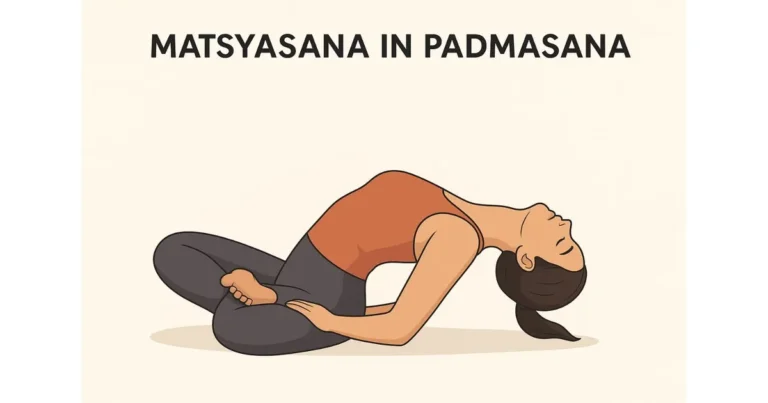
- Always follow Sarvangasana with counter-poses like Matsyasana (Fish Pose) or Shavasana to neutralize the spine.
- Avoid jerky movements; practice gently and progressively.
Conclusion
Sarvangasana is truly the Queen of Asanas because it nourishes the body, mind, and soul. With regular practice, it can transform your overall health—improving blood circulation, calming the mind, balancing hormones, and strengthening the body. However, like any powerful yoga posture, it must be practiced with awareness, proper guidance, and respect for your body’s limitations.
By including Sarvangasana in your daily yoga routine, you can cultivate greater vitality, inner balance, and holistic wellness.
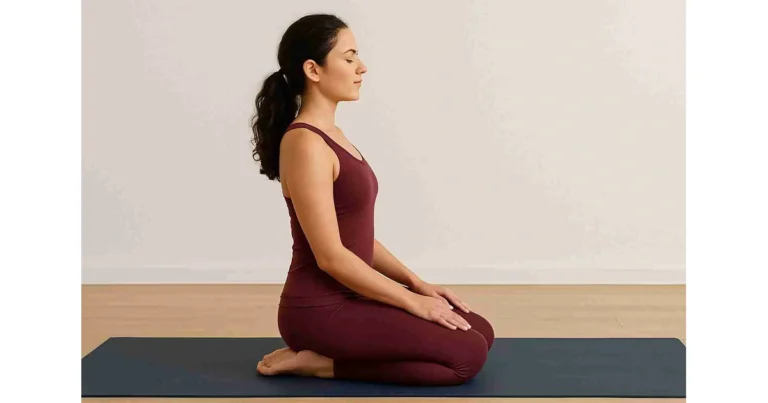
Do Halasana | Practice Matsyasana | Sit in Vajrasana | Learn Āsana Safety Rules | Ayurvedic Food GuideTrusted External Resources
For more information on yoga and natural wellness, explore these authoritative resources:
Q1. Why is Sarvangasana called the Queen of Asanas?
Ans: Because it benefits almost every system in the body—circulatory, digestive, nervous, and endocrine—earning it the title “Queen of Asanas.”
Q2. How long should a beginner hold Sarvangasana?
Ans: Beginners can start with 20–30 seconds and gradually increase up to 2–3 minutes.
Q3. Can Sarvangasana help in weight loss?
Ans: Yes, it boosts metabolism, improves digestion, and stimulates the thyroid gland, indirectly supporting healthy weight management.
Q4. What is the best time to practice Sarvangasana?
Ans: Early morning on an empty stomach is ideal, but it can also be practiced in the evening after a gap of 4–5 hours post-meal.
Q5. What are the counter-poses for Sarvangasana?
Ans: The best counter-poses are Matsyasana (Fish Pose) and Shavasana (Corpse Pose) for relaxation.
Q6. Is Sarvangasana safe for beginners?
Ans: Yes, but beginners should start under guidance, use props if needed, and hold the posture for only a few seconds initially.
Q7: Can Sarvangasana help with thyroid problems?
Ans: Yes. The posture stimulates the thyroid gland, which plays a key role in regulating metabolism and hormonal balance.