Shashangasana (Hare Pose): Steps, Benefits, and Precautions
📌 Introduction
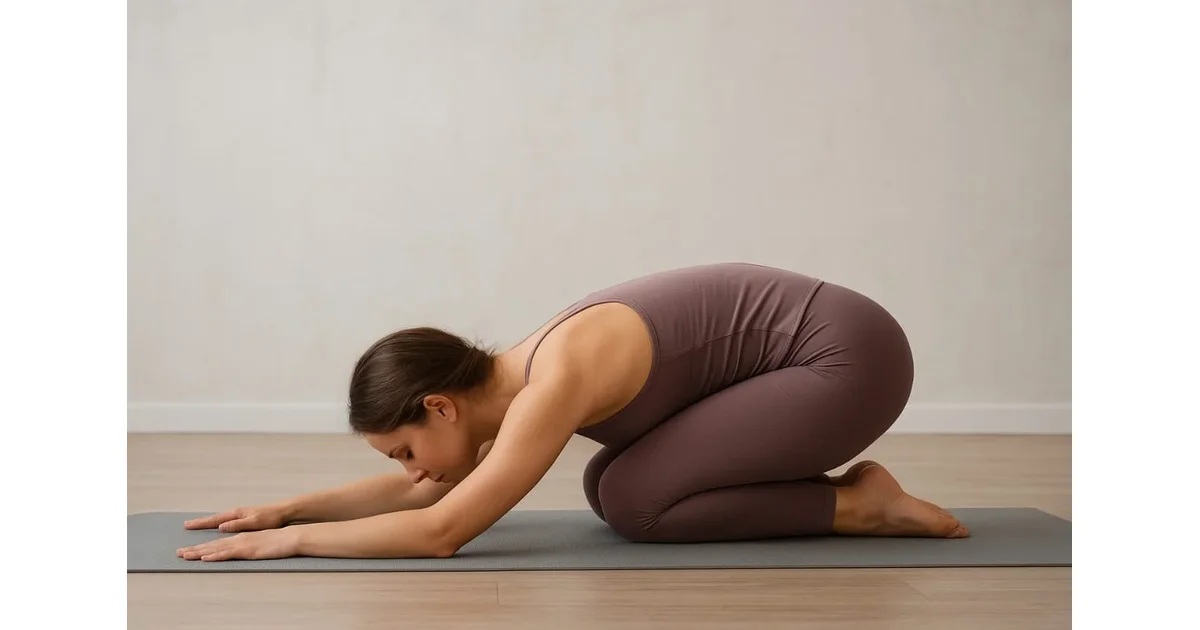
Shashangasana, also known as Hare Pose, is a gentle kneeling yoga posture that combines relaxation, stretching, and meditation. The asana is inspired by the calm and attentive posture of a hare, promoting both physical flexibility and mental clarity.
Shashangasana is commonly practiced in Hatha Yoga, meditation sequences, and pranayama practices. It is particularly beneficial for beginners because it is low-impact yet effective in improving spinal alignment, hip flexibility, and mental focus.
Practicing this asana regularly helps reduce stress, fatigue, and tension, preparing the body and mind for deeper yogic practices.
✅ How to Practice Shashangasana (Hare Pose)
Follow this step-by-step guide to ensure proper alignment and maximum benefits:
1. Starting Position
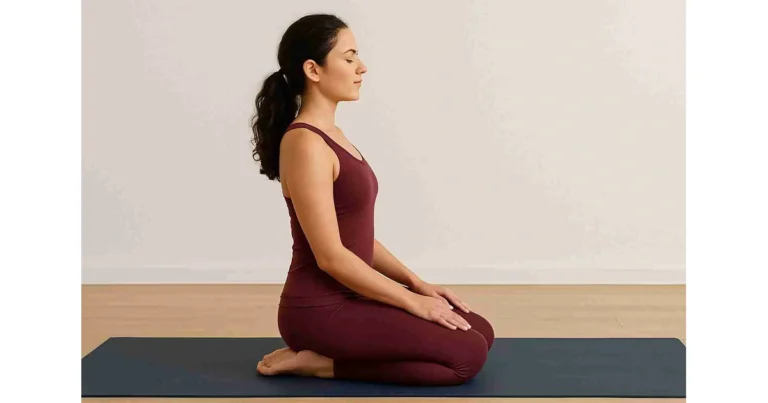
- Begin in Vajrasana (kneeling posture): knees together, toes pointing backward, sitting gently on your heels.
- Keep your spine erect and shoulders relaxed.
2. Hand Placement
- Place your palms on your thighs or knees.
- Fingers should be relaxed, and arms should remain straight but gentle.
3. Torso Alignment
- Inhale and lengthen the spine, ensuring a straight back.
- Exhale and slightly lean forward, keeping the back straight and shoulders relaxed.
4. Head and Neck
- Keep the head neutral, looking forward or slightly downward.
- Avoid straining the neck; maintain natural alignment.
5. Breathing
- Take slow, deep breaths, focusing on inhalation and exhalation.
- Hold the pose for 30 seconds to 1 minute, extending duration gradually as comfort improves.
6. Releasing the Pose
- Slowly lift the torso back to upright Vajrasana.
- Relax and breathe normally before continuing to the next asana or meditation practice.
💪 Benefits of Shashangasana (Hare Pose)
🩺 Physical Benefits
- Strengthens and stretches thighs, knees, and ankles.
- Enhances spinal alignment and posture.
- Improves hip and lower body flexibility.
- Prepares the body for meditation and pranayama exercises.
- Supports gentle muscular toning of the legs and back.
🧘 Mental & Emotional Benefits
- Calms the nervous system, reducing stress and anxiety.
- Improves concentration, focus, and mindfulness.
- Encourages inner peace and relaxation during meditation.
- Helps reduce mental fatigue after a long day.
⚠️ Precautions and Contraindications
- Avoid if you have knee injuries, arthritis, or ankle problems.
- Place a folded blanket under knees for additional support if needed.
- Pregnant women should practice only under expert guidance.
- Avoid excessive forward leaning if you feel discomfort in the lower back.
🧘 Tips for Beginners
- Keep knees slightly apart if sitting directly on heels is uncomfortable.
- Support the hips with a yoga block or folded blanket.
- Focus on steady, deep breathing for relaxation.
- Maintain a gentle spinal extension without forcing the torso forward.
🔄 Variations of Shashangasana
- Forward Fold Hare Pose: Slight forward bend with hands extended in front for deeper stretch.
- Meditative Hare Pose: Sit upright with palms on knees, focus on breath, ideal for meditation and pranayama.
- Supportive Hare Pose: Place a cushion under the hips to relieve pressure on knees or ankles.
Trusted External Resources
For more information on yoga and natural wellness, explore these authoritative resources:
Q1: What is Shashangasana in yoga?
Ans: Shashangasana, or Hare Pose, is a gentle kneeling yoga posture that promotes flexibility, spinal alignment, and mental relaxation.
Q2: How do you perform Hare Pose correctly?
Ans: Sit in Vajrasana, hands on thighs, spine erect, head neutral. Breathe deeply, hold for 30–60 seconds, then slowly release.
Q3: What are the benefits of Shashangasana?
Ans: It improves flexibility, strengthens thighs and knees, calms the mind, reduces stress, and prepares the body for meditation.
Q4: Can beginners do Hare Pose?
Ans: Yes, it is beginner-friendly. Use a cushion under hips or knees for extra comfort.
Q5: Who should avoid Shashangasana?
Ans: Avoid if you have knee, ankle, or lower back injuries, and practice with caution if pregnant.