Vajrasana (Thunderbolt Pose): Steps, Benefits, and Precautions
Introduction
Vajrasana, also known as the Thunderbolt Pose or Diamond Pose, is one of the most important sitting postures in yoga. Unlike many other asanas, Vajrasana can be practiced immediately after meals, making it especially valuable for improving digestion and overall wellness. The word “Vajra” in Sanskrit means thunderbolt or diamond, symbolizing strength, stability, and resilience. This simple yet powerful yoga posture calms the mind, enhances focus, and brings balance to the body and mind.
Practicing Vajrasana regularly can support digestion, relieve stress, strengthen pelvic muscles, and improve spinal posture. It is also a foundational pose for meditation and pranayama practices.
How to Do Vajrasana (Step-by-Step Guide)
- Starting Position
- Sit on a yoga mat with your legs stretched out in front of you.
- Keep your back straight and arms by your sides.
- Folding the Legs
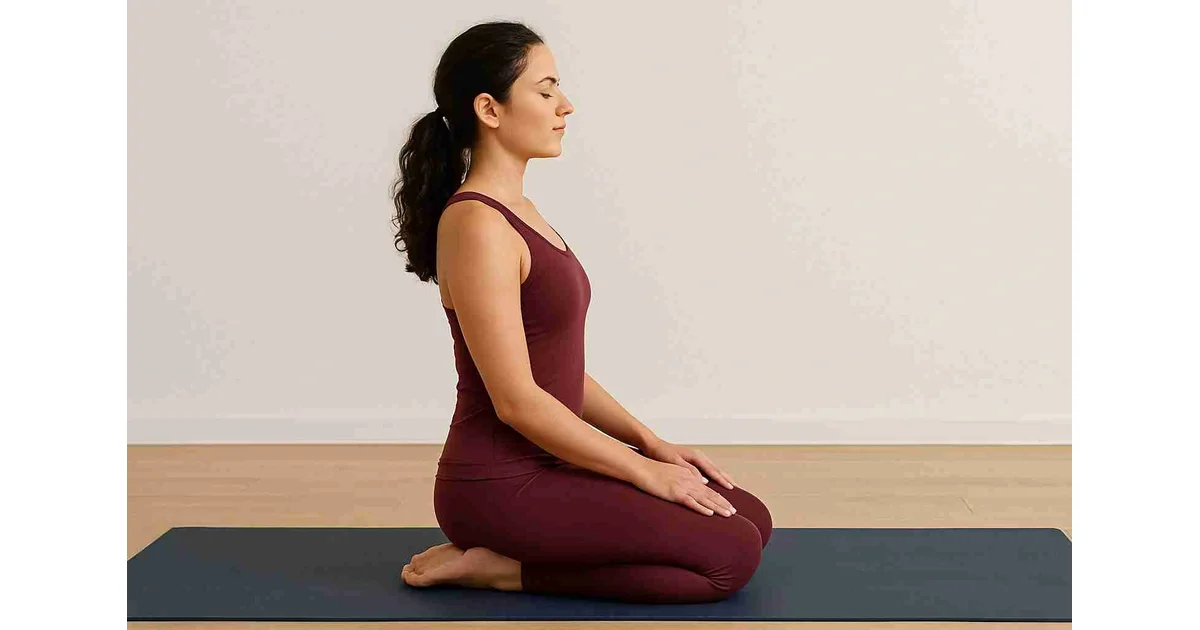
- Slowly fold your knees and bring your legs backward.
- Place your feet together so that the big toes touch.
- Positioning the Body
- Sit back on your heels so that your buttocks rest on them.
- The thighs should rest on the calves.
- Spinal Alignment
- Keep your spine, neck, and head upright.
- Place your palms on your thighs facing downward.
- Breathing
- Close your eyes gently.
- Take deep, slow breaths and focus on your breathing.
- Duration
- Beginners may start with 2–3 minutes.
- With practice, you can gradually increase to 10–15 minutes or longer.
Benefits of Vajrasana
1. Improves Digestion
Vajrasana stimulates digestive organs, enhances nutrient absorption, and helps relieve constipation and acidity.
2. Relieves Stress and Anxiety
This pose has a calming effect on the nervous system, reducing stress, tension, and fatigue.
3. Strengthens Pelvic and Lower Body Muscles
Regular practice tones the thighs, calves, hips, and pelvic muscles, improving lower body strength.
4. Enhances Posture and Spinal Alignment
It keeps the spine erect and improves overall posture.
5. Aids in Meditation and Pranayama
Vajrasana is one of the best sitting postures for meditation, mindfulness, and breathing exercises.
6. Helps in Weight Management
By improving digestion and metabolism, it indirectly supports healthy weight management.
7. Supports Joint Health
It increases flexibility in the ankles and knees when practiced consistently.
Precautions and Contraindications
While Vajrasana is generally safe for all, certain conditions require caution:
- People with severe knee pain, arthritis, or slipped disc should avoid or practice under expert guidance.
- Pregnant women should keep knees slightly apart to avoid pressure.
- Avoid practicing if you have recent foot, ankle, or spinal injuries.
Tips for Beginners
- Use a cushion or folded blanket under your ankles or knees for comfort.
- Start with short durations and increase gradually.
- Maintain an erect spine without leaning forward or backward.
- Practice after meals for better digestion but avoid forcing yourself if uncomfortable.
Variations of Vajrasana
- Supta Vajrasana (Reclined Thunderbolt Pose): Advanced variation for flexibility and back strengthening.
- Parvatasana in Vajrasana (Mountain Pose): Raises the arms upward while sitting in Vajrasana for added stretch.
- Anjali Vajrasana (Prayer Pose): Combines hand gestures (Anjali Mudra) with Vajrasana for meditative practice.
Conclusion
Vajrasana is a simple yet powerful yoga posture that offers multiple physical, mental, and spiritual benefits. From aiding digestion to enhancing concentration, it is a foundational asana that can be practiced by beginners and advanced yogis alike. Incorporating Vajrasana into your daily routine, especially after meals or before meditation, can transform your health and bring balance to your lifestyle.
Try Ustrasana | Practice Shashangasana | Ayurvedic Food for Digestion | Yoga Sitting Pose Rules | HomeTrusted External Resources
For more information on yoga and natural wellness, explore these authoritative resources:
Q1. What is Vajrasana in yoga?
Ans: Vajrasana, also known as Thunderbolt Pose or Diamond Pose, is a simple seated yoga posture that improves digestion, calms the mind, and enhances meditation.
Q2. Can Vajrasana be done after eating?
Ans: Yes. Vajrasana is one of the few yoga poses that can be practiced immediately after meals, as it supports digestion and prevents acidity.
Q3. How long should I sit in Vajrasana daily?
Ans: Beginners may start with 2–3 minutes and gradually increase to 10–15 minutes daily for maximum benefits.
Q4. What are the benefits of Vajrasana?
Ans: Vajrasana improves digestion, relieves stress, strengthens pelvic muscles, enhances posture, and supports meditation practices.
Q5. Who should avoid Vajrasana?
Ans: People with severe knee pain, arthritis, slipped disc, or recent foot/ankle injuries should avoid Vajrasana or practice under expert guidance.