Three Types of Ayurvedic Food: Sattvika, Rajasika & Tamasika
In Ayurveda and spiritual practices, every object in the universe exhibits one of three predominant attributes – Sattva, Rajas, or Tamas. Food, being a crucial aspect of daily life, is also classified according to these attributes. Choosing the right type of food can influence both the body and mind, enhancing health, energy, and spiritual well-being.
1. Sattvika Food (Pure and Harmonious)
Definition:
Sattvika food promotes purity, clarity, and balance of the mind and body. It is recommended for those practicing yoga, meditation, or any spiritual discipline.
Examples:
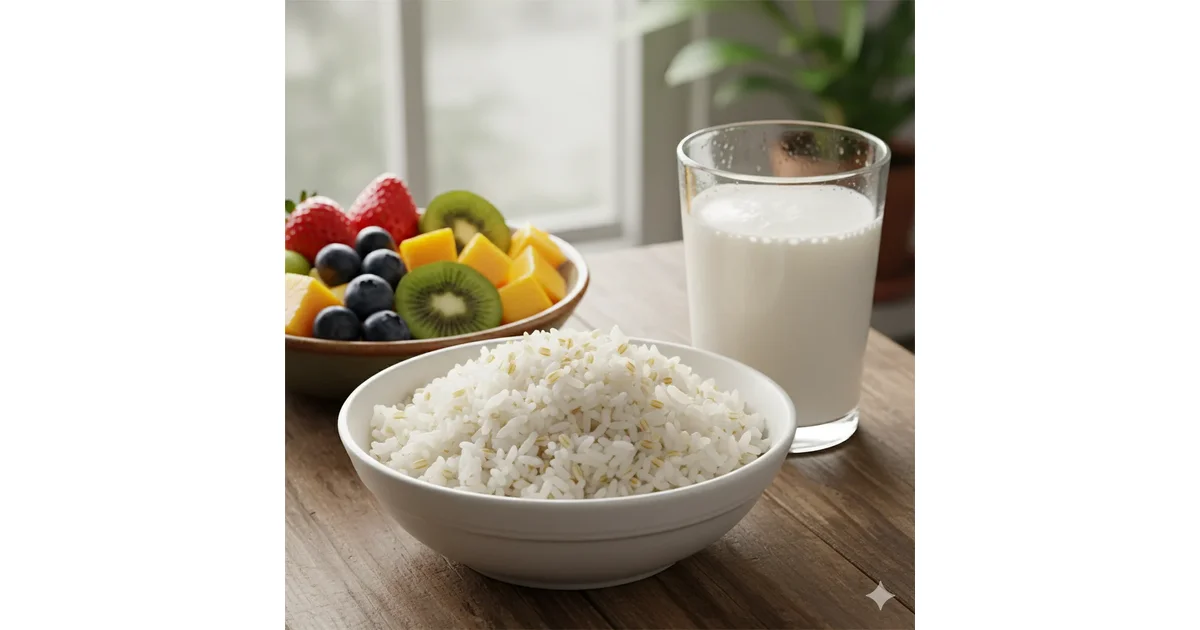
- Grains: Rice, wheat, barley, and other staple grains.
- Pulses: All pulses except masúr (orange lentil) and khesári.
- Fruits and Roots: All types of fresh fruits and edible roots.
- Vegetables: All vegetables except violet carrots, white brinjals (eggplants), onions, garlic, mushrooms, and red puni/mustard greens.
- Dairy: Milk and milk products.
- Spices: All spices except garam masala.
- Sweets: All kinds of naturally prepared sweets.
- Leafy Greens: All green leafy vegetables, excluding red puni and mustard leaves.
Tips:
- Gradually shift from Rajasika or Tamasika food to Sattvika food for better digestion and mental clarity.
- Small amounts of haritaki (myrobalan) can be taken after meals for those transitioning from Rajasika food.
- Avoid excessive mustard or mustard-based products.
Who Should Follow:
- Practitioners of yoga and meditation.
- Avadhutas and Avadhutikas of spiritual organizations, such as Ananda Marga, who strictly follow Sattvika food.
2. Rajasika Food (Stimulating and Energetic)
Definition:
Rajasika food stimulates the body or mind but does not promote complete harmony. It is neutral to either mind or body and can be considered a transitional category between Sattvika and Tamasika food.
Examples:
- Foods that benefit the body but have little effect on the mind.
- Foods that affect the mind but are neutral for the body.
- In regions with heavy snowfall, Rajasika food may sometimes function as Sattvika, and Tamasika as Rajasika.
Tips:
- Rajasika food is suitable for people who need energy or mental alertness but are not yet ready to fully adopt Sattvika eating habits.
3. Tamasika Food (Heavy and Harmful)
Definition:
Tamasika food is harmful to the body, mind, or both. Regular consumption can lead to lethargy, confusion, or health issues.
Examples:
- Stale or rotten food.
- Meat from large animals such as cows or buffaloes.
- Alcohol, tobacco, and other intoxicants.
- Certain dairy items like milk from newly-calved cows.
- White brinjals, khesári dal, and green vegetables like red puni or mustard.
- Masúr dal if kept for more than one meal.
Meat Consumption Guidelines:
- Prefer meat only from male or castrated animals; avoid female animals entirely.
- Avoid killing small or immature fish, or fish during pregnancy.
- Be mindful of the season and reproduction cycle of fish (e.g., Hilsa fish from mid-autumn to mid-Phalguna).
Tips:
- Reduce intake of Tamasika foods gradually.
- Small quantities of tea or cocoa, which do not overly excite the senses, are considered Rajasika rather than Tamasika.
Key Takeaways:
- Sattvika food purifies and energizes both mind and body.
- Rajasika food stimulates but does not balance completely.
- Tamasika food harms health or mental clarity and should be avoided when possible.
Adopting a Sattvika diet is essential for spiritual practitioners, yogis, and anyone seeking holistic health and mental clarity. Gradual transitions from Rajasika and Tamasika food help maintain a balanced lifestyle and support overall well-being.
Practice Vajrasana After Meals | Do Matsyasana | Yoga Āsana Guidelines | Explore More Yoga Articles | Get Ayurvedic GuidanceTrusted External Resources
For more information on yoga and natural wellness, explore these authoritative resources:
Q1. What are the three types of food in Ayurveda?
Ans: In Ayurveda, food is classified into three types based on their qualities: Sattvika (pure and harmonious), Rajasika (stimulating and energetic), and Tamasika (heavy and harmful). Each type affects the body and mind differently.
Q2. What is Sattvika food and who should follow it?
Ans: Sattvika food promotes purity, clarity, and balance of mind and body. It is recommended for spiritual practitioners, yogis, and those practicing meditation or holistic health routines.
Q3. Which foods are considered Sattvika?
Ans: Sattvika foods include:
Grains: rice, wheat, barley
Pulses: all except masúr and khesári
Fresh fruits and roots
Most vegetables (excluding onions, garlic, mushrooms, and red puni/mustard leaves)
Dairy products like milk and ghee
Naturally prepared sweets and mild spices
Q4. What is Rajasika food?
Ans: Rajasika foods are usually stimulating, such as:
Spicy or strongly flavored foods
Some energy-giving foods that affect either the mind or body
Foods suitable for people needing mental alertness or extra energy
Q5. What is Tamasika food and why should it be avoided?
Ans: Tamasika food is heavy, harmful, or stale. Regular consumption can cause lethargy, confusion, or health problems. Examples include stale food, large animal meat, alcohol, tobacco, and certain seasonal vegetables or pulses.