Gomukhasana (Cow’s Head Pose): Steps, Benefits, and Precautions
Introduction to Gomukhasana (Cow’s Head Pose)
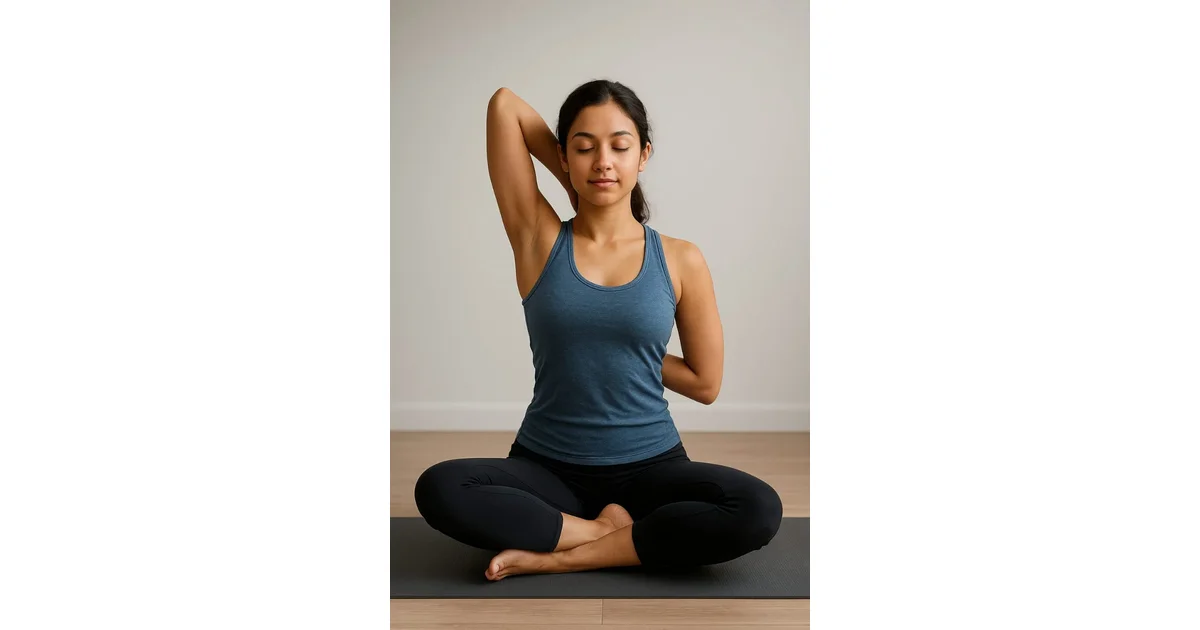
Gomukhasana, meaning “Cow’s Face Pose” in Sanskrit, is a seated yoga posture that resembles the face of a cow. It is highly regarded in yoga for its ability to improve posture, flexibility, and mental calmness. Traditionally practiced in Hatha and Iyengar yoga, this asana is ideal for stretching the shoulders, hips, and chest while also promoting mindfulness.
Step-by-Step Guide to Practicing Gomukhasana
1. Initial Position:
- Sit on the floor with legs stretched forward (Dandasana).
- Keep your spine erect and shoulders relaxed.
2. Leg Placement:
- Bend your right knee and place your right foot under the left buttock.
- Cross the left leg over the right so that your left heel is near the right hip. Your knees should be stacked.
3. Arm Positioning:
- Raise your right arm overhead and bend the elbow so your hand reaches down your back.
- Bring your left arm behind your back and try to clasp both hands. Use a strap if your hands don’t meet.
4. Alignment and Posture:
- Keep the chest open and shoulders relaxed.
- Lengthen the spine and gaze forward or slightly upward.
5. Breathing:
- Inhale deeply while lengthening the spine.
- Exhale slowly while settling into the stretch.
- Hold the posture for 30 seconds to 1 minute per side.
6. Switching Sides:
- Release slowly and repeat the steps on the opposite side.
Tips:
- Use a folded blanket under the hips for comfort.
- Avoid forcing your arms or legs; flexibility will improve gradually.
Health Benefits of Gomukhasana
- Enhances Flexibility:
Stretches shoulders, arms, thighs, hips, and chest, improving overall mobility. - Relieves Stress and Anxiety:
Promotes relaxation by calming the nervous system and balancing energy flow. - Improves Posture:
Strengthens back and shoulder muscles, helping correct slouching and spinal alignment. - Opens the Hips:
Deep hip stretch alleviates stiffness and tension, especially for people who sit long hours. - Stimulates Internal Organs:
Gentle compression of the abdomen helps improve digestion and circulation.
Precautions and Contraindications
- Avoid if you have shoulder, elbow, or knee injuries.
- People with recent hip or spinal surgery should practice only under guidance.
- Use props like yoga straps and blankets to avoid strain.
- Breathe naturally; do not hold your breath while in the posture.
Common Mistakes to Avoid
- Collapsing the chest forward.
- Forcing the hands to clasp if flexibility is limited.
- Holding the pose for too long initially; gradually increase duration.
- Ignoring props to maintain correct alignment.
Tips for Beginners
- Practice near a wall for extra support.
- Use a yoga strap if your hands don’t reach behind your back.
- Focus on slow, deep breathing to enhance the stretch.
- Start with 15-30 seconds and gradually increase.
Conclusion
Gomukhasana (Cow’s Head Pose) is a versatile yoga posture that benefits both body and mind. With regular practice, it improves flexibility, relieves stress, and enhances posture. Beginners should approach the pose gradually and use props as needed to avoid strain.
Try Garudasana | Sit in Vajrasana | Practice Shashangasana | Yoga Pose Rules | Balanced Ayurvedic FoodsTrusted External Resources
For more information on yoga and natural wellness, explore these authoritative resources:
Q1. How long should I hold Gomukhasana?
Ans: Beginners can hold the pose for 15–30 seconds and gradually increase to 1–2 minutes on each side as flexibility improves.
Q2: Can beginners practice Gomukhasana?
Ans: Yes, beginners can practice Gomukhasana using yoga straps, cushions, or folded blankets for support and to ease tight shoulders or hips.
Q3: What are the benefits of Gomukhasana for mental health?
Ans : Gomukhasana helps relieve stress, calm the mind, and enhance focus by balancing the nervous system and promoting mindfulness.
Q4. : Can I do Gomukhasana with knee problems?
Ans: Those with knee or hip injuries should avoid or modify the pose under the guidance of a certified yoga instructor.
Q5: Which yoga style includes Gomukhasana?
Ans: Gomukhasana is often practiced in Hatha Yoga, Iyengar Yoga, and Vinyasa Yoga sequences.
Q6. What are the physical benefits of Gomukhasana?
Ans : It stretches the shoulders, arms, hips, thighs, and chest, improving flexibility and posture alignment.
Q7: What is the best time to practice Gomukhasana?
Ans: Practice Gomukhasana in the morning on an empty stomach or in the evening after a 3–4 hour gap from meals.