Halasana (Plow Pose) Yoga: Steps, Benefits, and Precautions
Introduction
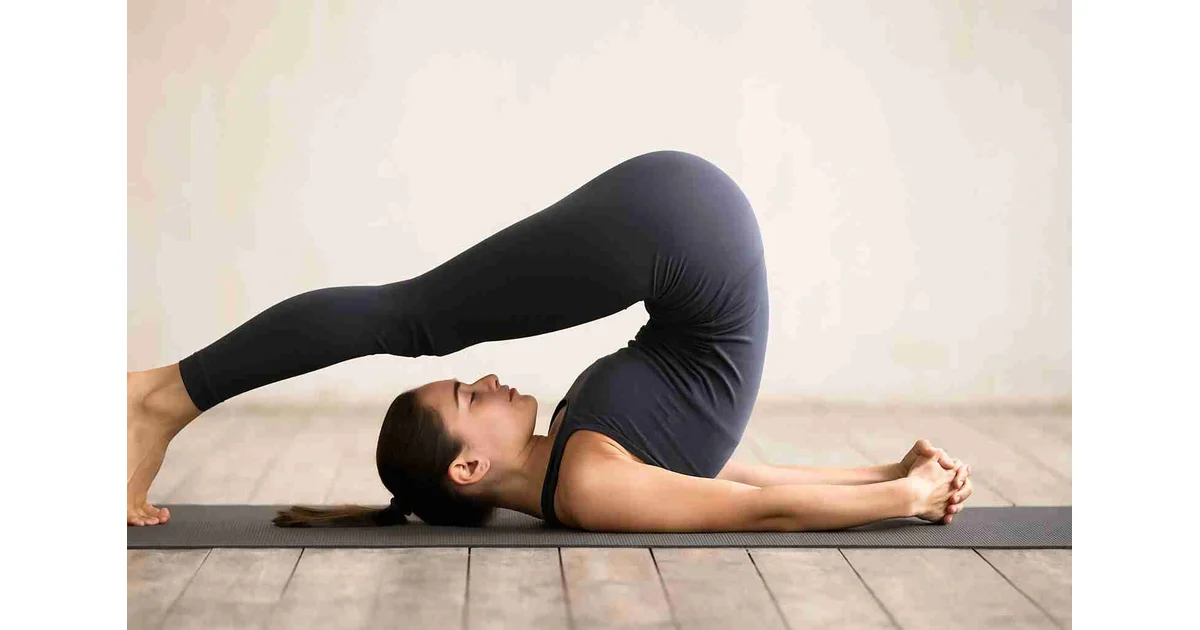
Halasana, also known as the Plow Pose, is a classic yoga asana that involves bending the body forward to place the feet behind the head while lying on the back. This posture is renowned for its profound effects on spinal flexibility, internal organ stimulation, and overall body relaxation. Halasana is an integral part of Hatha Yoga and is suitable for intermediate to advanced practitioners.
Regular practice of Halasana helps reduce stress, improve blood circulation, and tone abdominal and back muscles. Its calming effect on the nervous system makes it an excellent posture for both physical and mental wellness.
What is Halasana Yoga Posture?
Halasana comes from the Sanskrit words:
- Hala – Plow
- Asana – Pose
Just like a plow turns the earth, Halasana “plows” the spine, stretching it thoroughly and stimulating the abdominal organs. This posture encourages energy flow throughout the body, promoting balance between mind and body.
Step-by-Step Guide to Performing Halasana
Step 1: Preparation
- Lie flat on your back on a yoga mat.
- Keep your legs together and arms resting by your sides, palms facing downward.
- Take a few deep breaths to relax your body.
Step 2: Lifting the Legs
- Inhale deeply and slowly lift both legs to a 90-degree angle, keeping them straight.
- Engage your core muscles and maintain balance on your shoulders.
Step 3: Bringing the Legs Overhead
- Exhale and slowly bring your legs over your head.
- Try to touch the floor behind your head with your toes.
- Keep your back straight and shoulders grounded.
Step 4: Arm Position
- Extend your arms on the floor behind you, either supporting your back or keeping them straight with palms on the floor.
- Keep your neck relaxed and avoid turning your head to prevent injury.
Step 5: Holding the Pose
- Maintain the position for 30 seconds to 1 minute initially.
- Breathe deeply and evenly, feeling the stretch along your spine and hamstrings.
Step 6: Releasing the Pose
- Inhale and slowly bring your legs back to the starting position.
- Relax your body and take a few deep breaths before repeating.
Benefits of Halasana Yoga
- Improves Spinal Flexibility:
Halasana stretches the entire spine, improving posture and relieving stiffness. - Stimulates Abdominal Organs:
This pose massages the stomach, liver, kidneys, and thyroid, enhancing digestion and metabolism. - Reduces Stress and Anxiety:
By calming the nervous system, Halasana helps reduce stress, fatigue, and mild depression. - Strengthens Back and Core Muscles:
Regular practice tones the back, shoulders, and abdominal muscles. - Enhances Blood Circulation:
The inverted position improves circulation to the brain, boosting mental clarity and concentration. - Supports Weight Management:
Stimulates metabolism and aids in controlling excess fat in the abdominal area.
Tips for Safe Practice
- Always warm up your spine before attempting Halasana.
- Avoid forcing your legs to touch the floor; flexibility develops gradually.
- Keep your neck relaxed and avoid turning your head while in the pose.
- Beginners can use a folded blanket under the shoulders for support.
- Practice on an empty stomach for maximum benefits.
Precautions and Contraindications
Halasana is beneficial but not suitable for everyone. Avoid this posture if you have:
- Neck injuries or cervical spine issues
- Herniated discs or severe back pain
- High blood pressure or heart conditions
- Pregnancy
Always consult a certified yoga instructor or healthcare provider before practicing if you have any medical concerns.
Variations of Halasana
- Ardha Halasana (Half Plow Pose):
Raise one leg at a time for beginners or those with limited flexibility. - Karnapidasana (Ear Pressure Pose):
Bring the knees close to the ears while in Halasana for an intense spinal stretch. - Supta Konasana (Reclined Angle Pose):
Spread the legs wide while in Plow Pose to target inner thighs and hamstrings.
Conclusion
Halasana is a powerful yoga posture that offers physical, mental, and emotional benefits. When practiced consistently with proper technique, it strengthens the spine, improves digestion, reduces stress, and promotes overall well-being.
Incorporate Halasana into your daily yoga routine and experience the transformative effects of this classic yoga asana. Remember, patience and gradual practice are key to mastering this pose safely.
Master Sarvangasana | Try Matsyasana | Do Vajrasana | Relax in Shashangasana | Āsana Practice RulesTrusted External Resources
For more information on yoga and natural wellness, explore these authoritative resources:
Q1. What is Halasana in yoga?
Ans: Halasana, also known as Plow Pose, is an inverted yoga posture where the legs are placed over the head, resembling a plow. It stretches the spine, improves digestion, and calms the nervous system.
Q2. What are the main benefits of Halasana?
Ans: Halasana improves spinal flexibility, strengthens the back and core, stimulates abdominal organs, reduces stress, and enhances blood circulation.
Q3. Is Halasana suitable for beginners?
Ans: Beginners can practice Halasana with proper guidance. Using props like folded blankets or attempting Ardha Halasana (Half Plow Pose) is recommended before moving to the full pose.
Q4. Who should not practice Halasana?
Ans: People with neck or back injuries, high blood pressure, hernia, or pregnant women should avoid Halasana. Always consult a yoga instructor if you have health concerns.
Q5. How long should I hold Halasana?
Ans: Beginners should hold Halasana for 15–30 seconds. With regular practice, the duration can gradually increase up to 2 minutes, depending on comfort.