Padahastasana (Hand Under Foot Pose) Benefits, Steps & Tips
Padahastasana, also known as the Hand Under Foot Pose, is a rejuvenating forward-bending yoga asana that stretches the entire body, strengthens the spine, and promotes deep relaxation. Suitable for both beginners and advanced practitioners, this pose is a staple in Hatha Yoga and Ashtanga Yoga routines.
Regular practice of Padahastasana can ease tension, improve posture, enhance blood circulation, stimulate digestion, and calm the mind, making it a powerful addition to your daily yoga practice.
What is Padahastasana?
The name Padahastasana comes from Sanskrit:
- Pada = Foot
- Hasta = Hand
- Asana = Pose
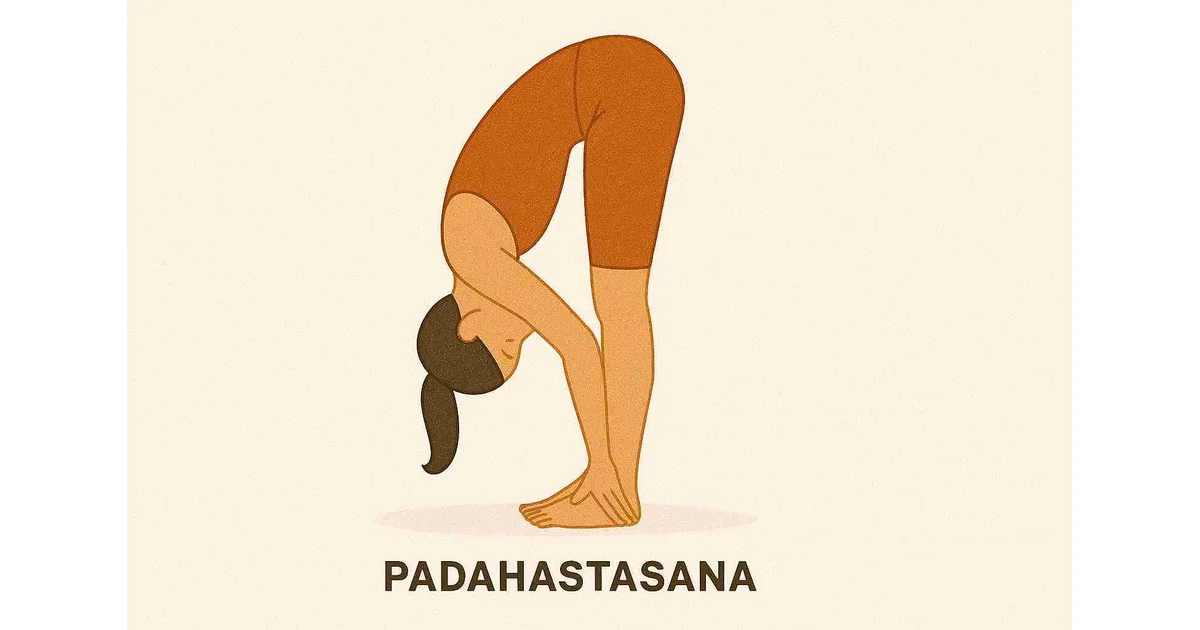
In this posture, you slide your hands under the feet while bending forward, creating a deep stretch in the spine, hamstrings, calves, and shoulders. It is excellent for improving flexibility, stimulating digestion, and promoting mental calmness.
How to Perform Padahastasana
Follow these simple steps to practice Padahastasana safely and effectively:
- Start in Mountain Pose (Tadasana)
Stand tall with your feet together and arms by your sides. Keep your spine straight and shoulders relaxed. - Inhale and Raise Arms
Stretch your arms overhead to lengthen the spine. - Exhale and Bend Forward
Bend from your hips, keeping your back as straight as possible. Bring your torso toward your legs. - Place Hands Under Feet
Gently slide your palms under the soles of your feet. Beginners can place fingertips near the heels if needed. - Relax and Hold
Let your head hang naturally. Hold the pose for 15–30 seconds while breathing deeply. - Release Safely
Inhale to lift your torso slowly, raise your arms overhead, then exhale and return to Mountain Pose.
Tip: Move slowly and mindfully to avoid strain.
Benefits of Padahastasana
- Improves Flexibility: Stretches hamstrings, calves, spine, and shoulders.
- Strengthens the Spine: Supports spinal muscles and enhances posture.
- Boosts Digestion: Gentle abdominal compression stimulates digestion.
- Reduces Stress: Calms the mind and relieves mental tension.
- Enhances Circulation: Increases oxygen flow to the brain and body.
Precautions
- Avoid if you have severe back pain, herniated discs, sciatica, or recent injuries.
- Keep knees slightly bent if hamstrings are tight.
- Practice on an empty stomach or 2–3 hours after eating.
- Move slowly to prevent strain.
- Pregnant women should avoid deep forward bends.
- Consult a doctor if you are unsure about practicing this pose.
Variations
- Ardha Padahastasana (Half Hand Under Foot Pose): Place fingertips under feet if the full pose is difficult.
- Advanced Padahastasana: Deepen the forward bend with straight legs for a stronger stretch.
- Wall Support: Beginners can perform near a wall for balance and stability.
Common Mistakes to Avoid
- Rounding the back instead of bending from the hips.
- Forcing hands under feet, which can cause strain.
- Holding the pose for too long initially.
- Bouncing while bending forward instead of maintaining a steady posture.
Conclusion
Padahastasana is a simple yet powerful yoga posture that enhances flexibility, strengthens the spine, aids digestion, and reduces stress. Incorporating it into your daily routine can improve both physical and mental well-being.
Pro Tip: Start your mornings with Padahastasana to energize your body, calm your mind, and set a focused tone for the day.
Try Halasana (Plow Pose) | Learn Mayurasana | Practice Sarvangasana | Sit in Vajrasana | Follow Āsana Safety RulesTrusted External Resources
For more information on yoga and natural wellness, explore these authoritative resources:
Q1: Can beginners practice Padahastasana?
Ans: Yes, beginners can start with fingertips under heels or slightly bent knees, gradually deepening the pose as flexibility improves.
Q2: How long should I hold Padahastasana?
Ans: : Hold the pose for 15–30 seconds initially, gradually increasing to 1–2 minutes as your flexibility and comfort improve.
Q3: How often should I practice Padahastasana?
Ans: Practicing daily in the morning or evening is ideal for maximum flexibility, digestion benefits, and stress relief.
Q4: Can Padahastasana help with back pain?
Ans: Yes, it stretches and strengthens the spine, but people with severe back issues should consult a doctor before practicing.
Q5: What are the main benefits of Padahastasana?
Ans: It improves flexibility, strengthens the spine, aids digestion, reduces stress, and promotes body alignment.