Ustrasana (Camel Pose): Steps, Benefits, Precautions & Variations
Introduction
Yoga is not just a physical exercise but a holistic discipline that harmonizes body, mind, and spirit. Among the many rejuvenating asanas, Ustrasana (Camel Pose) is one of the most powerful backbends that enhances flexibility, opens the heart chakra, and improves overall posture.
Derived from the Sanskrit words Ustra (camel) and Asana (posture), Ustrasana resembles the elegant curve of a camel’s hump. This asana has been practiced in traditional Hatha Yoga for centuries and continues to hold significance in modern yoga therapy for its spinal, respiratory, and emotional benefits.
In this detailed guide, we’ll explore how to perform Ustrasana, its step-by-step technique, key benefits, variations, contraindications, and expert tips for beginners as well as advanced practitioners.
🧘 What is Ustrasana (Camel Pose)?
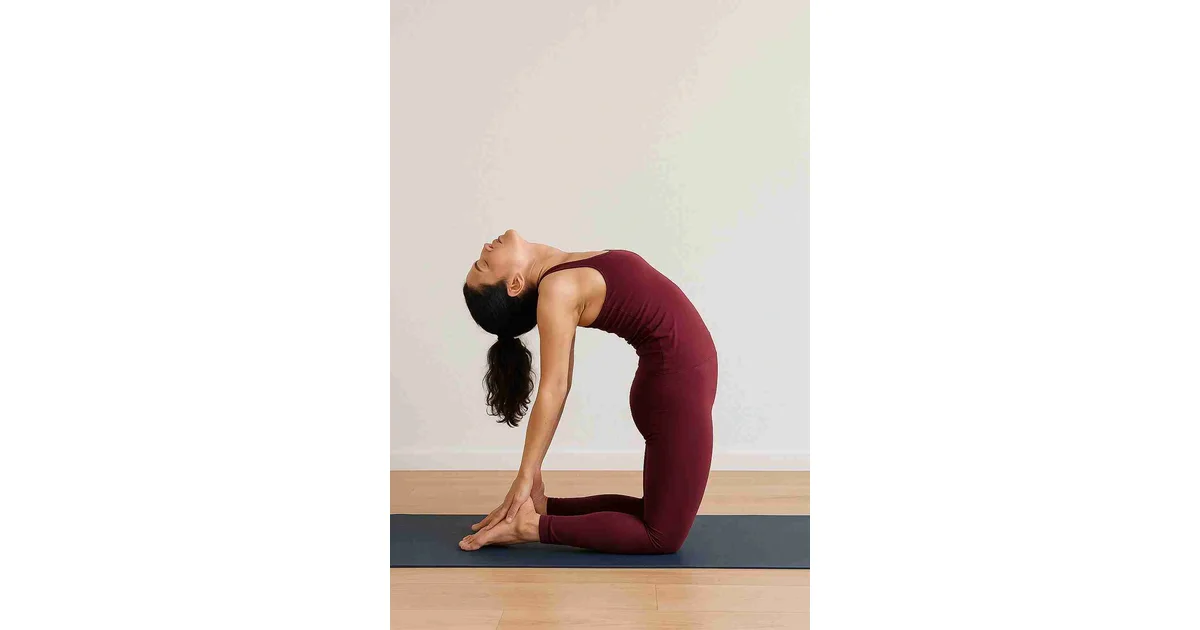
Ustrasana is a deep backbend yoga pose that requires kneeling on the floor and bending backward to touch the heels. It stretches the front of the body while strengthening the back, shoulders, and thighs.
Key Characteristics of Ustrasana:
- Category: Backbend, chest-opening, heart-opening pose
- Level: Intermediate (can be modified for beginners)
- Position: Kneeling posture
- Main Focus: Flexibility, spinal strength, chest expansion
✅ Step-by-Step Guide to Practice Ustrasana
Practicing Ustrasana with correct alignment is essential to gain maximum benefits and avoid strain.
🔹 Step 1: Preparation
- Begin in a kneeling position on your yoga mat.
- Keep your knees and feet hip-width apart.
- Place your hands on your hips with fingers pointing downward.
🔹 Step 2: Engage Your Core
- Inhale deeply and lift your chest upward.
- Slightly tuck your tailbone to avoid compressing the lower back.
🔹 Step 3: Entering the Backbend
- Exhale and gently arch your back.
- Slowly bring your right hand to your right heel, followed by your left hand to the left heel.
- Keep thighs perpendicular to the floor and hips pushed forward.
🔹 Step 4: Final Position
- Drop your head back naturally, without straining the neck.
- Keep chest lifted and shoulders rolled backward.
- Hold for 20–40 seconds, breathing deeply and steadily.
🔹 Step 5: Returning to Neutral
- Inhale and bring your hands back to your waist.
- Slowly straighten your spine and return to the kneeling position.
- Rest in Balasana (Child’s Pose) for relaxation.
🌿 Benefits of Ustrasana (Camel Pose)
Practicing Ustrasana regularly provides physical, physiological, and emotional benefits.
🩺 Physical Benefits
- Spine health: Strengthens and increases flexibility of the spinal column.
- Chest expansion: Improves lung capacity and respiratory function.
- Posture correction: Counteracts slouching and long sitting hours.
- Digestive aid: Stimulates abdominal organs and improves digestion.
- Hormonal balance: Activates thyroid and adrenal glands.
- Muscle strengthening: Tones thighs, hips, back, and shoulders.
🧘 Mental & Emotional Benefits
- Relieves stress, fatigue, and anxiety.
- Opens the heart chakra (Anahata), promoting emotional release.
- Enhances self-confidence and focus.
- Calms the nervous system and combats mild depression.
⚠️ Precautions and Contraindications
While Ustrasana is highly beneficial, it must be practiced with care.
- Avoid if suffering from severe back or neck injuries.
- People with migraine, hernia, or high/low blood pressure should avoid without medical advice.
- Pregnant women should avoid deep backbends after the first trimester.
- Do not force yourself; come out immediately if you feel dizziness or pain.
👉 Pro Tip: Beginners should perform Ustrasana under the supervision of a certified yoga teacher.
🔄 Variations of Ustrasana
To make Ustrasana more accessible or more challenging, different variations can be practiced:
1. Beginner Variation (Half Camel Pose – Ardha Ustrasana)
- Place one hand on the heel and keep the other on the waist for support.
- This reduces strain and helps gradually improve flexibility.
2. Wall-Supported Ustrasana
- Perform Ustrasana with your thighs touching a wall.
- Ensures proper hip alignment and prevents leaning backward.
3. Advanced Variation
- Place hands on soles instead of heels for a deeper stretch.
- Hold longer while focusing on controlled breathing.
🙏 Tips for Practicing Ustrasana Safely
- Always warm up with gentle stretches before backbends.
- Keep thighs vertical to avoid compressing the lower spine.
- Do not strain the neck; keep it relaxed.
- Focus on lifting the chest instead of just bending backward.
- Counterpose with forward bends like Balasana or Paschimottanasana.
🧘 Related Yoga Poses
If you enjoy Ustrasana, try these complementary poses:
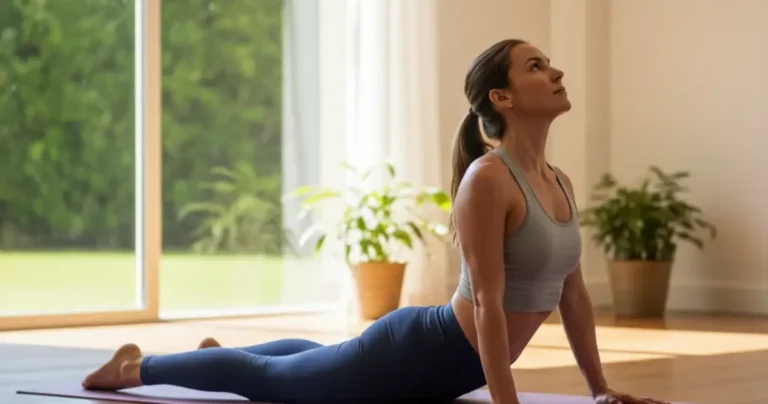
- Bhujangasana (Cobra Pose) – gentle backbend.
- Dhanurasana (Bow Pose) – intense stretch for spine and chest.
- Chakrasana (Wheel Pose) – advanced backbend.
- Setu Bandhasana (Bridge Pose) – beginner-friendly chest opener.
📖 Philosophical & Spiritual Significance
In yogic philosophy, Ustrasana is associated with the Anahata (Heart Chakra). By opening the chest and stretching the front body, practitioners experience a sense of love, compassion, and emotional release. It helps dissolve fear and encourages inner strength and positivity.
📌 Conclusion
Ustrasana (Camel Pose) is more than just a backbend; it’s a transformative yoga posture that strengthens the body, improves flexibility, enhances respiration, and nurtures emotional well-being. Whether you’re a beginner taking small steps or an advanced yogi exploring deeper variations, consistent practice of Ustrasana will bring physical vitality, mental clarity, and spiritual growth.
Practice Chakrasana | Do Dhanurasana | Learn Vajrasana | Food for Flexibility | Yoga Backbend RulesTrusted External Resources
For more information on yoga and natural wellness, explore these authoritative resources:
Q1: Is Ustrasana suitable for beginners?
Ans: Yes, beginners can practice with modifications like Ardha Ustrasana or using yoga blocks for support.
Q2: How long should Ustrasana be held?
Ans: Start with 15–20 seconds and gradually increase up to 1 minute with practice.
Q3: Which chakra does Ustrasana activate?
Ans: Ustrasana primarily activates the Anahata (Heart Chakra), promoting emotional openness and compassion.
Q4: Can Ustrasana help with back pain?
Ans: Yes, when practiced correctly, it strengthens the spine and relieves stiffness. However, people with chronic back issues should consult a yoga therapist before practicing.
Q5: What are the counterposes for Ustrasana?
Ans: Balasana (Child’s Pose), Paschimottanasana (Seated Forward Bend), and Shashankasana are excellent counterposes.