Essential Rules for Practicing Yoga Asanas Safely and Effectively
Practicing āsanas correctly is crucial for maintaining physical health, mental clarity, and spiritual growth. Following proper guidelines ensures that your yoga practice is safe, effective, and aligned with traditional wisdom. Neglecting these rules can lead to injuries, reduce the benefits of the postures, or disrupt your energy balance. Below is a comprehensive guide on the essential rules every practitioner should follow.
1. Personal Hygiene Before Āsanas
Maintaining personal cleanliness is fundamental before starting any yoga session.
- Perform Vyāpaka Śauca (thorough cleansing) or take a full bath to purify the body.
- If āsanas are practiced alongside daily meditation, a separate Vyāpaka Śauca is optional, provided the body is already clean.
- Cleanliness helps in energy flow, comfort during practice, and prevents discomfort caused by sweat or dirt.
2. Ideal Practice Environment
A proper environment enhances focus, safety, and the overall effectiveness of yoga.
- Avoid practicing in open, cold, or drafty areas to prevent catching a cold or strain.
- Indoors is preferred, but ensure windows are open to allow fresh air circulation.
- Minimize smoke exposure, as smoke can disrupt breathing patterns and interfere with energy flow.
- A calm, quiet, and clean space supports mental concentration and spiritual connection.
3. Clothing Guidelines
Wearing suitable attire allows free movement and comfort.
- Males: Wear a Kaopiina (loincloth) or lightweight, flexible clothing that does not restrict movement.
- Females: Wear tight-fitting underwear and a supportive bra to maintain proper posture and comfort during stretches.
- Avoid loose or heavy clothing that may interfere with balance, alignment, or posture execution.
4. Practice Surface
The surface you practice on affects comfort, stability, and joint protection.
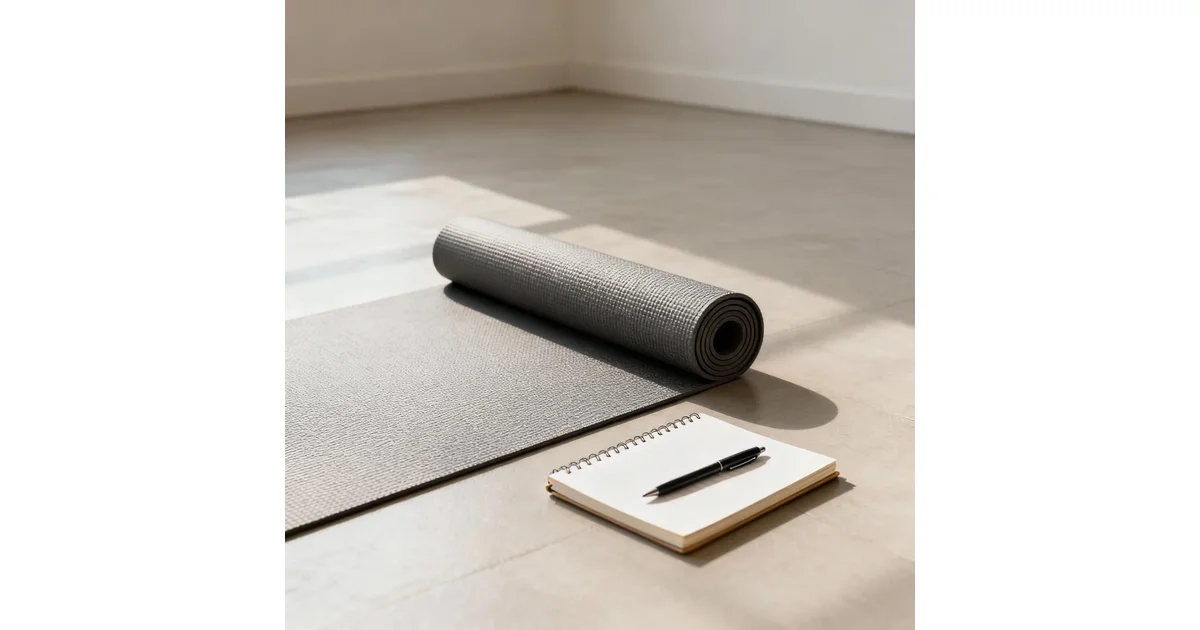
- Use a yoga mat or a soft blanket to practice.
- Avoid bare, cold, or hard ground, which can cause joint stress and reduce the secretion of beneficial body fluids during āsanas.
- A proper surface also helps maintain balance and alignment, especially during standing or backbending poses.
5. Breathing Considerations
Proper breathing is essential for energy balance and correct execution.
- Perform āsanas when breath flows through the left nostril or both nostrils.
- Avoid practicing when breath flows exclusively through the right nostril, as it may lead to excessive heat or imbalance.
- Controlled, natural breathing enhances focus, relaxation, and oxygen flow to muscles.
6. Diet and Nutrition
What you eat directly impacts your yoga practice.
- Prefer Sattvika foods (pure, light, and nourishing) before practicing.
- If transitioning from Rajasika foods (spicy or stimulating), a small piece of myrobalan (haritaki) may be consumed post-meals, except in cold climates.
- Avoid heavy or oily meals, which can make the body sluggish and hinder āsana performance.
7. Body Care and Grooming
Proper body care supports flexibility and prevents injury.
- Do not cut hair on joints, as it is traditionally believed to protect energy points.
- Keep fingernails and toenails short to avoid scratches or discomfort during poses like Vajrasana or Padmasana.
8. Timing Relative to Meals
The timing of practice is crucial for comfort and safety.
- Avoid practicing āsanas on a full stomach, as it can strain digestion and reduce flexibility.
- Wait 2.5 to 3 hours after eating before performing yoga.
9. Post-Practice Care
After completing āsanas, proper care helps relax muscles and restore energy.
- Massage the body, especially joints, to prevent stiffness and improve circulation.
- Rest in Shavāsana (corpse posture) for at least two minutes after the massage.
- Avoid direct water contact for 10 minutes post-practice, as sudden temperature changes may disturb energy balance.
- Light rubbing of oil is acceptable, though full oil massage is not recommended.
- Walking in a quiet, solitary area helps ground energy and enhances relaxation.
10. Restrictions After Āsanas
Certain activities can disturb the balance achieved during practice:
- Avoid prāṇāyāma, running, free-hand exercises, or sports immediately after āsanas.
- If stepping outdoors, especially in cold conditions, cover the body and inhale indoors, exhale outside to prevent sudden cold exposure.
11. Specific Āsana Guidelines
Some postures have exceptions regarding breathing and food restrictions:
- No nostril restriction for postures like:
- Padmāsana (Lotus Posture)
- Siddhāsana (Siddha Posture)
- Ardha Siddhāsana (Half Siddha Posture)
- Bhojanāsana (Cross-Legged Sitting Posture)
- Vīrāsana (Hero Posture)
- Dīrgha Prāṇāma (Long Bowing Posture)
- Yogāsana (Yoga Posture)
- Bhujangāsana (Snake Posture)
- For these, there are no food restrictions, making them suitable for beginners and advanced practitioners alike.
12. Special Considerations for Women
Women should take additional precautions:
- Avoid practicing āsanas during menstruation, pregnancy, and within one month of delivery.
- Certain gentle postures may still be performed with guidance, but vigorous āsanas should be avoided to ensure safety and comfort.
Key Takeaways
Following these rules ensures safe, effective, and holistic āsana practice, promotes longevity, and supports physical, mental, and spiritual health.
- Consistency, proper environment, diet, and care enhance benefits.
- Observing these guidelines aligns practice with traditional yogic wisdom and reduces the risk of injury.
- Remember, yoga is not only about flexibility or strength but also balance, mindfulness, and energy alignment.
Trusted External Resources
For more information on yoga and natural wellness, explore these authoritative resources:
Q1. What are the essential rules for practicing yoga asanas?
Ans: The essential rules include maintaining cleanliness, choosing a calm environment, wearing proper clothing, practicing on a yoga mat, breathing correctly, and avoiding food before practice.
Q2. Why is hygiene important before doing yoga asanas?
Ans: Cleanliness ensures energy flow, comfort, and focus during practice. A clean body supports a peaceful mind and prevents distractions caused by sweat or discomfort.
Q3. What type of environment is best for yoga practice?
Ans: A quiet, clean, and well-ventilated space is ideal. Avoid cold, open, or noisy places. Fresh air and calm surroundings enhance focus and spiritual connection.
Q4. What should I wear while practicing yoga asanas?
Ans: Wear light, comfortable, and stretchable clothing that allows free movement. Avoid heavy or loose clothes that can restrict posture or balance.
Q5. When should I practice yoga asanas after eating?
Ans: It is best to practice yoga āsanas 2.5 to 3 hours after a meal to prevent indigestion and discomfort. Always practice on an empty or light stomach.